


What would it look like if the people most affected by disinvestment controlled how new resources flowed into their neighborhoods – and shared directly in the value those investments created?
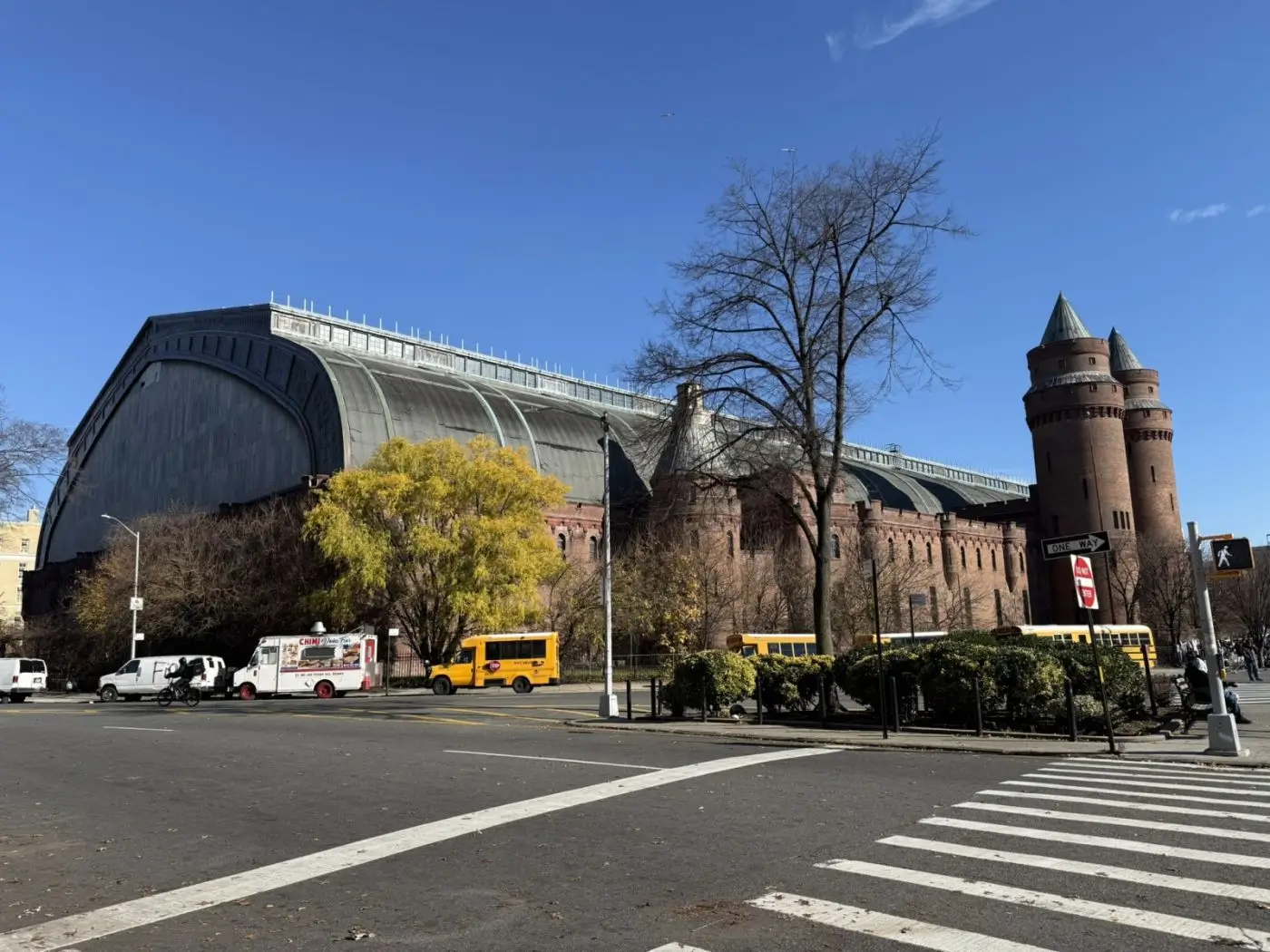
Decades of neglect left shuttered factories, empty storefronts, and a deep sense of instability where a thriving local economy once stood. Known as the Workshop of the World, Kensington’s fortunes dimmed as jobs disappeared and institutions shuttered. Property values collapsed, poverty rates climbed, and speculators moved in – snapping up homes and businesses, then letting them sit vacant.
Yet through it all, longtime residents never stopped remembering how the neighborhood once was and imagining a possible future: a Kensington with thriving local businesses, safe public spaces, and the kind of prosperity everyone could share.
But as billions in philanthropic dollars flowed into cities like theirs, those closest to the challenges were often the last to be heard. Traditional finance labeled Kensington too risky, bypassing the very people with the clearest vision for change. And when government or philanthropic projects did land, they often missed the mark, suffering from misalignment with local priorities, sometimes fueling displacement or failing to address the community’s real needs.
Solving this challenge takes more than writing checks. It means rethinking what ownership means and redesigning financial systems to prioritize repair, participation, and shared prosperity. Traditional investors use seemingly innocuous metrics like employment history, property values, personal assets to measure risk.
But in neighborhoods shaped by exclusion, these metrics become barriers: property and wealth serve as collateral, yet generations of discriminatory laws, predatory lending, and displacement have eroded residents’ ability to build those assets. Until capital providers reckon with this history, investment will keep flowing to those already best positioned to benefit – leaving communities like Kensington on the outside, looking in.
From Vacancy to Vibrancy
Kensington Corridor Trust (KCT) is rewriting the story of ownership along the neighborhood’s central thoroughfare, Kensington Avenue. By acquiring and holding more than 30 mixed-use buildings, storefronts, and public spaces into a neighborhood trust (a hybrid legal construct between a 501c3 charitable entity and a perpetual-purpose trust), KCT is preserving affordability, anchoring local businesses, and ensuring that residents – not outside investors – call the shots.
This isn’t just about holding property; it’s about shifting who benefits from it. Residents gain a real stake in the value their neighborhood creates, seeing tangible returns in both wealth and community well-being. For Adriana Abizadeh-Barbour, KCT Executive Director, this approach is fundamental: "We are stewards of this work, they're part owners of the real estate. We don't move unless the neighborhood tells us to."
In Kensington today, transformation is visible everywhere. Empty storefronts have become diners, galleries, and soon a community grocer stocked with fresh produce. Once vacant lots host green spaces and gardens where children play and pollinators thrive. Community events spill into the streets, and familiar faces run businesses that double as gathering places. Ownership here isn’t just legal – it’s tangible, visible, and shared.
KCT’s model has already inspired others. Just an hour north, in Trenton, NJ, Vesi is applying similar principles—an opportunity for residents to co-own, co-invest, and shape the businesses and public spaces that make a neighborhood feel like home. Across both cities, the measure of success isn’t just new construction or property values—it’s connection, safety, and the sense that longtime residents can help chart the future they want to see.
As April De Simone, Founder at Vesi, explains, “We’re trying to restitch the community, want to bring that back and preserve it. It’s not just financial, but it’s the policy space. Building an expanding ecosystem that's asking how you tell this story.”
The KCT model offers a clear and replicable blueprint:
- Community Governance – Residents and small business owners, as part of a trust stewardship committee, make every decision that advances neighborhood control and lasting affordability.
- Perpetual Affordability – More than 30 mixed-use buildings, storefronts, and public spaces—valued at $7 million—are legally bound to preserve affordability, support local enterprise, and safeguard community ownership for generations.
- Community Returns – Replicating The Guild’s Community Stewardship Trust (CST) model in Atlanta, KCT’s model will provide dividends to resident-investors beginning in 2026, supporting financial stability and long-term wealth building.
- Local Economic Development – KCT asks the question too few developers do: What do you want here? Vacant buildings, absentee landlords, pawn shops, and payday lenders are replaced with businesses neighbors actually use, creating an economy that reflects the community’s vision of safety and pride.

Lessons Learned: Rethinking Diligence, Speed, and Trust
Calls for patient, flexible, catalytic capital in places like Kensington are long-standing – and still vital. But capital alone isn’t enough. Real transformation requires letting communities lead, and deploying funding with trust, humility, and adaptability.
For investors supporting community ownership, these takeaways matter:
- Move Capital When It Counts—Support Urgent and Long-Term Needs: Slow approvals and inflexible funding mean communities can be priced out before projects even begin. Align your processes with real-world timelines: act swiftly when neighborhoods face windows of opportunity, and provide ongoing, ecosystem-level support for sustained success. The most effective investments reach communities at the moment they’re needed—making the difference between missed chances and lasting, transformative impact.
- Redefine Risk—Underwrite for Community Strength and Cede Power: Through our work with partners like KCT, we’ve seen that structuring loans with community realities in mind can both manage financial risk and help preserve neighborhoods. This requires going beyond standard checklists—co-designing diligence processes, valuing local expertise, and building in flexibility where it counts. By drawing on proven models and being willing to adapt, investors can safeguard assets while also supporting lasting community power and stability.
- Share Due Diligence—Accelerate Capital, Lower Barriers: When each funder requires their own lengthy diligence, critical opportunities can slip away and communities lose out. By open-sourcing due diligence—conducting robust relationship-based assessments and sharing them with peers—we help level the playing field. This transparency not only reduces redundancy and cost, but enables communities to compete for properties and funding on a fairer, faster timeline. Investors who embrace this approach use their power to remove bottlenecks, making real change possible.
- Invest in Narrative Change—Back Stewardship and Local Agency: Changing a neighborhood’s future starts with changing the story—both how outsiders see it and how residents see themselves. When investment helps residents become stewards and decision-makers, neighborhoods shed the stigma of decline and embrace a new identity rooted in possibility and pride. In Kensington, this means residents advocate for their blocks, celebrate local culture, and build businesses that reflect who they are. Supporting this shift isn’t just about image; it’s about backing the community’s right to define its own value and future. The most powerful returns come when neighbors reclaim their story, their streets, and their destiny.
- Leverage Partners to Bridge the Gaps: Aligning capital with community priorities is rarely straightforward—especially for investors who may not have deep roots in local contexts or experience with community underwriting. Systems catalysts like Common Future do more than convene peers and facilitate collaboration. As intermediaries, we bring expertise in recognizing the hidden strengths, repayment indicators, and community value that traditional underwriting often overlooks. By providing relationship-driven diligence and surfacing the criteria that truly de-risk investments, we help bridge systemic gaps and ensure capital is deployed where it can create lasting, meaningful change.
Investing Differently: Scaling Community-Driven Change
For investors, the path forward is clear. Community-led models like KCT and Vesi are proving what equitable revitalization looks like: vibrant storefronts, safer streets, and neighborhoods where residents hold lasting power over their future. These aren’t outliers—they are living, replicable examples.
Scaling this change requires more than capital. It demands adaptive underwriting, shared decision-making, and trust in local expertise. The most meaningful returns are measured not just in dollars, but in access, opportunity, and neighborhood strength.
Equitable development isn’t a distant goal—it’s happening now, led by residents who have always known what’s possible, and by investors willing to walk alongside them for the long haul.
Sandhya Nakhasi is Co-CEO of Common Future and an expert in catalytic capital and community-led investment. She co-founded Community Credit Lab and has designed place-based lending programs with grassroots partners nationwide. Sandhya’s career spans public, private, and nonprofit finance, all focused on building a more equitable financial system.





%20(1280%20x%20720%20px)%20(46).png)

.webp)
.webp)
%20(1280%20x%20720%20px)%20(3).webp)

%20(1280%20x%20720%20px)%20(39).png)
%20(1280%20x%20720%20px).webp)

%20(1280%20x%20720%20px)%20(2).webp)


%20(1280%20x%20720%20px)%20(40).png)


.webp)


