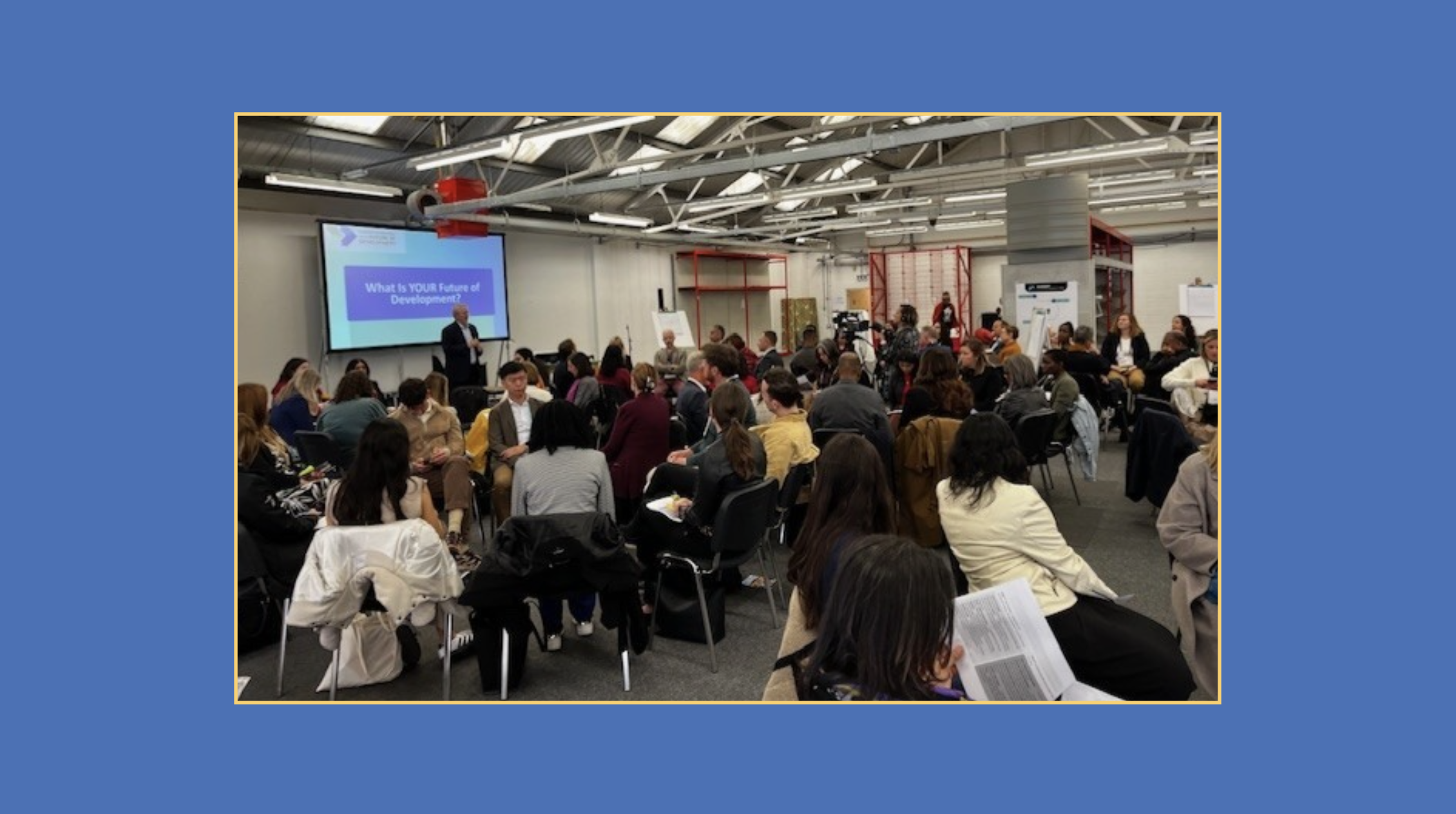

On the sidelines of the Skoll World Forum, a group of foundation leaders, funder intermediaries, non-profits, social entrepreneurs and enterprises, and community actors connected to candidly discuss the future of global development.
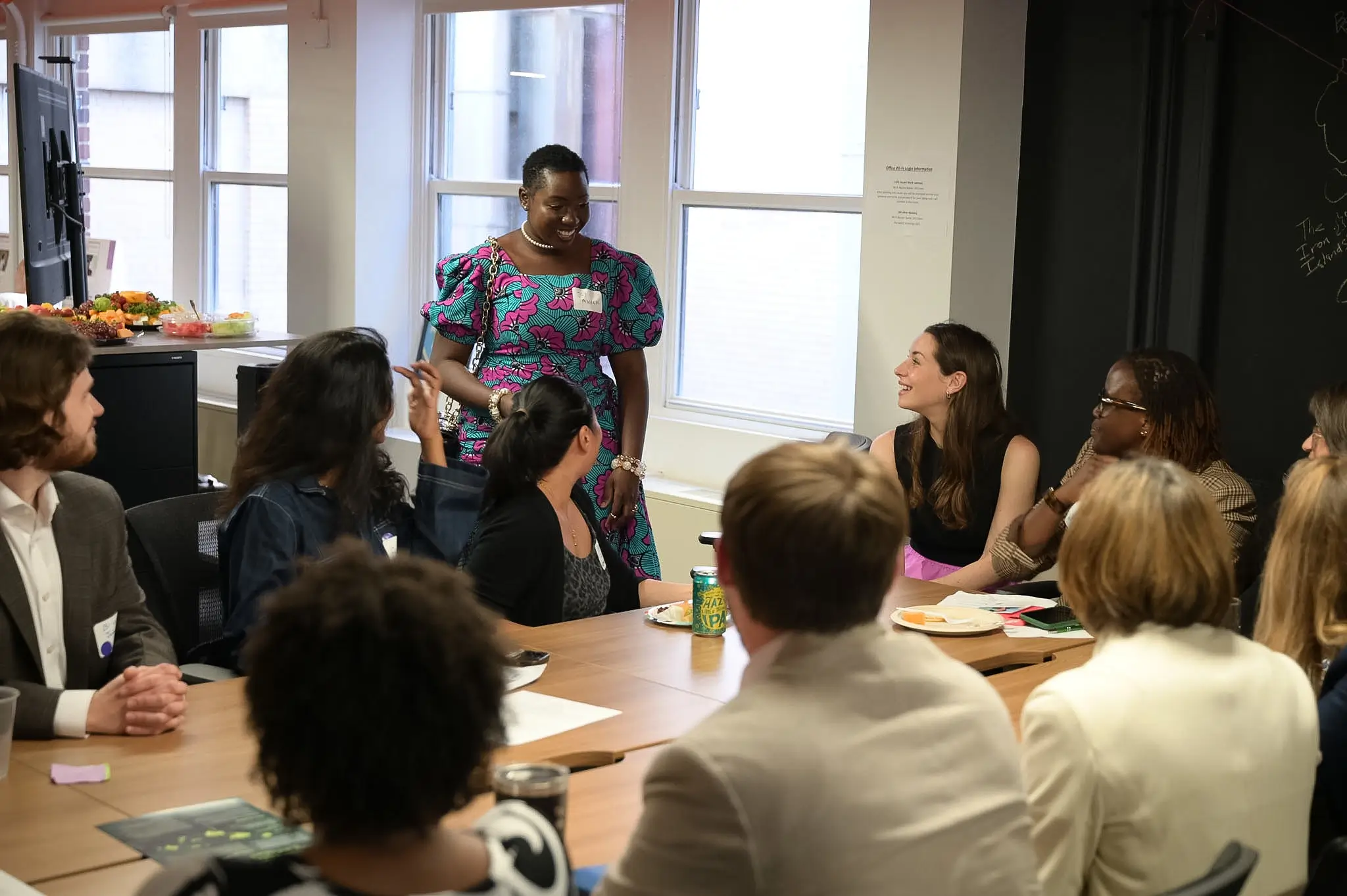
Given what is often an exclusive-space at Skoll, all seemed to welcome the chance to connect in small, 10-person circles in an open, manufacturing space. For example, a major foundation CEO, INGO head and think tank researcher conversed directly with a Brazilian venture capitalist on the importance of Indigenous entrepreneurship and investment.
The cross-fertilization of viewpoints and ideas was rich. That is much needed if we are to achieve a true reimagining of the development sector. Private philanthropy, civil society, private sector, and development finance actors will need to collaborate in new ways to be most impactful. As one attendee of the event said, “I appreciated the choice to convene somewhere other than the Randolph or the usual spots donors gravitate to during Skoll. Gathering in a warehouse to work through the design of whatever comes after USAID reads to me as a real gesture of humility and accessibility.”
Philanthropy can leverage its convening power to encourage more in depth strategizing for specific constituencies and geographies and create the spaces to bridge across. For example, in the past few weeks alone, beyond the conversations around Skoll, philanthropies have supported a Future of Civil Society convening of Global South-led civil society networks in Buenos Aires, and a vibrant mix of stakeholders coming together at AfricaXchange in Nairobi. An inclusive approach will be essential to help move forwards more equitable, sustainable development.
So what are we learning? While already apparent that philanthropy cannot and will not fill the gap left by cuts in official development assistance, conversations around Skoll World Forum, The Sidebar and Marmalade Festival suggested new emphasis on work within and unlocking other sources of capital - “catalytic” was one of the buzzwords on the streets of Oxford. This points to finding ways to more effectively turn the rhetoric of “derisking” into reality with more effective partnerships with development finance institutions, multilateral development banks, and governments. It also means ensuring that the financing mobilized is deployed in support of agendas set locally, not in donor countries. Philanthropy will need to be nimble and flexible in working with national and local governments, local private sector, and civil society in varying combinations dependent on issue and goals.
Lastly, partnership among and with institutions is not enough. The sector needs to move beyond keeping a mindset of funding specific, individual projects to a systems approach. An attendee of the event shared, “We have a responsibility not to squander the urgency of this moment to redesign what comes next.” Funders are increasingly embracing a systems change lens. Amid a time of such disruption, it takes on a new urgency. Luckily, more practices are being documented and more tools developed to help design and implement that systems approach. For example, see the new briefs on monitoring, evaluation and learning for systems change released in time for Skoll.
The conversations in Oxford were energizing. The shock state of a year ago has dissipated and new threads for collaboration are emerging. Amid many “futures” efforts underway, the challenge is not to narrow the funnel of ideas - we still need more diverse inputs, such as from youth voices - but rather to help connect the dots, challenge assumptions and embrace some new ways of working. With so many pressing development challenges, we cannot wait to start operationalizing new and adapted approaches.
MacKenzie Bills is Managing Director of Community-Led Development at Proximate Press. Michael Jarvis is Executive Director of the Trust, Accountability & Inclusion Collaborative.